
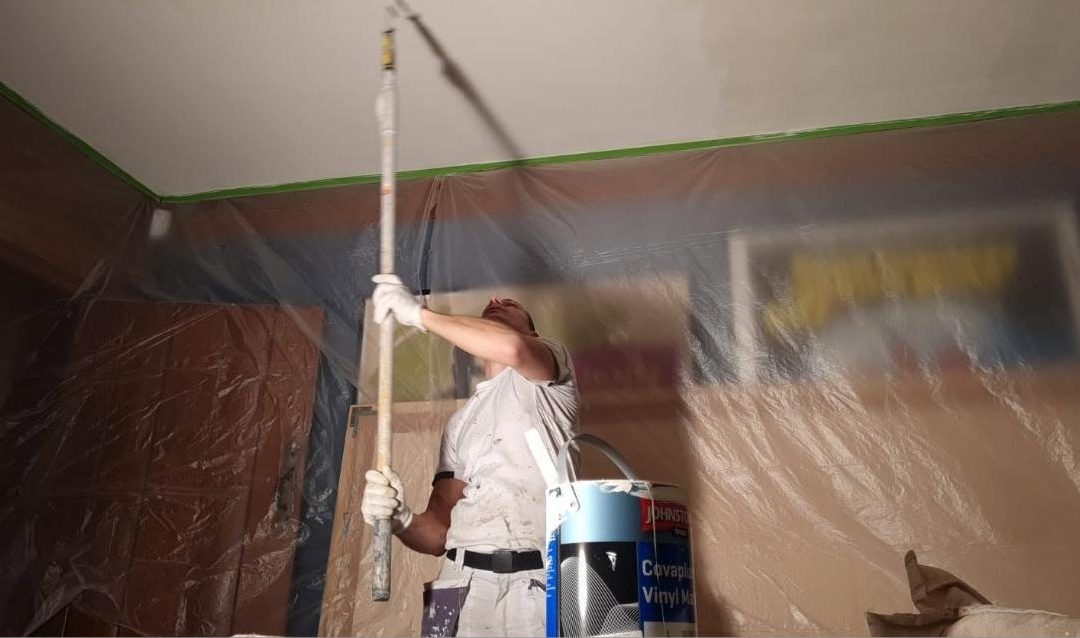
Fresh paint transforms a home — but nothing lasts forever. Walls scuff, colours fade, and busy rooms in a family home take a beating year after year. One of the questions we hear most often from homeowners across London is: how often should we actually repaint? The honest answer: it depends on the room. Here is the room-by-room guide we give our own clients.
The Quick Answer
Most rooms in a typical London home need repainting every 3–7 years. High-traffic spaces sit at the shorter end, quiet rooms at the longer end. Exterior surfaces work on their own clock — usually 5–8 years in the British climate.
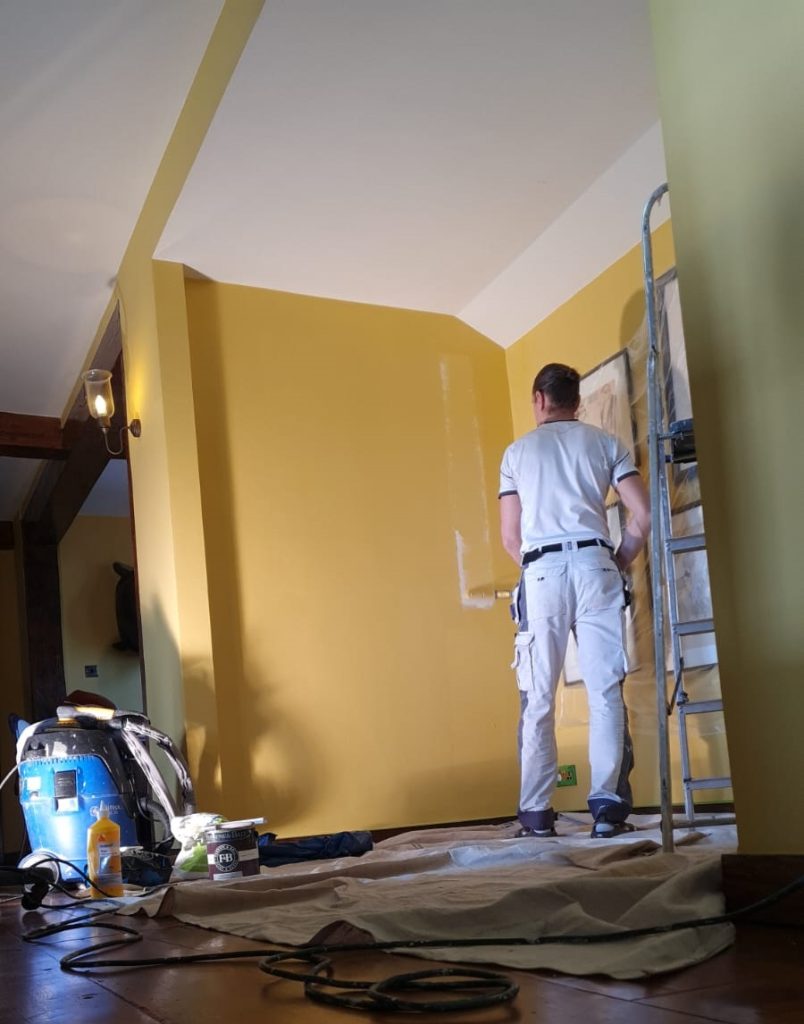
Room-by-Room Guide
Hallways & Staircases — every 2–4 years
The hardest-working walls in any house. Bags, buggies, bikes, children’s hands and pets all pass through daily, so scuffs and marks build up fastest here. A durable scrubbable paint stretches the interval considerably — something we always recommend for rental properties.
Kitchens — every 3–4 years
Steam, grease and daily wipe-downs age kitchen walls faster than you would expect. Choosing a moisture-resistant paint designed for kitchens makes a visible difference, both in longevity and in how well the walls clean up.
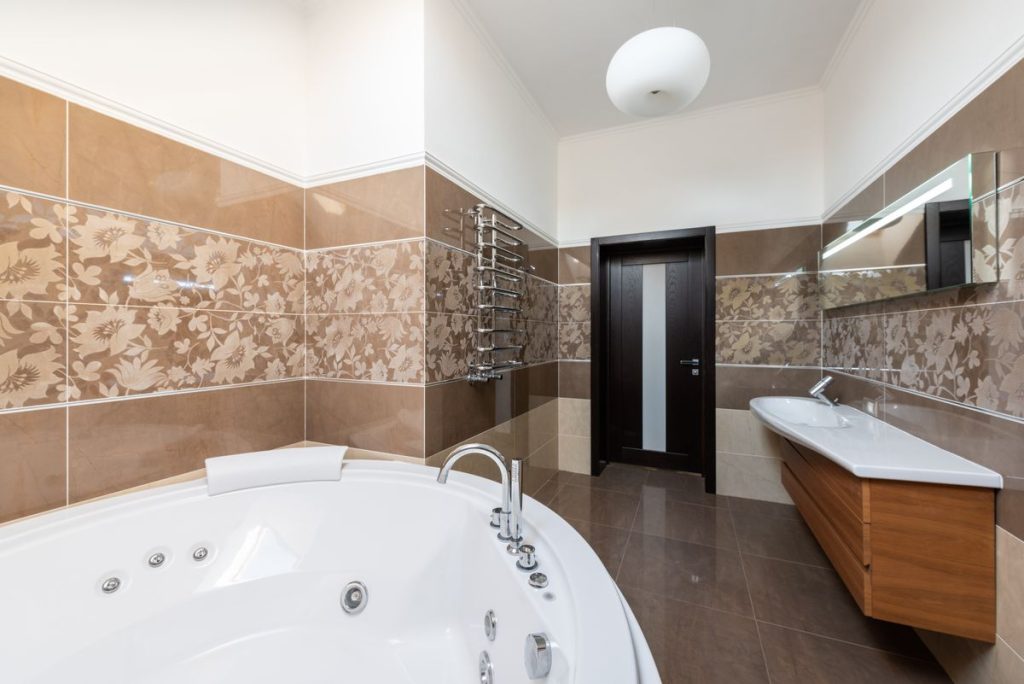
Bathrooms — every 3–4 years
Condensation is the enemy. Even with good ventilation, bathroom ceilings and the wall above the shower are usually the first places you will spot peeling or shadowy mould marks. Proper preparation and an anti-mould system paint are essential — simply painting over the problem never lasts.
Living Rooms — every 5–7 years
Lower traffic and less moisture mean living room walls hold up well. Most of our clients repaint for a colour refresh rather than out of necessity.
Bedrooms — every 5–8 years
Adult bedrooms see the least wear in the house. Children’s bedrooms are a different story — count on every 2–3 years, and consider a wipeable finish.
Ceilings — every 8–10 years
Ceilings mostly suffer from slow discolouration rather than damage. If your walls are on their second cycle, it is usually worth doing the ceiling at the same time so the fresh walls don’t make it look yellow by comparison.
Woodwork — every 4–6 years
Skirting boards, door frames and window sills chip and yellow over time, especially with older oil-based paints. Modern water-based trim paints stay whiter for longer.

5 Signs It’s Time to Repaint (Whatever the Calendar Says)
- Marks that no longer wipe off — once cleaning damages the finish, paint has reached the end of its life.
- Fading — south-facing rooms fade noticeably; furniture leaves ghost marks on the walls.
- Cracking or peeling — often a sign of moisture or poor previous preparation; needs fixing at the source.
- Yellowing woodwork — typical of ageing oil-based paints.
- You’re selling or letting — fresh, neutral paint is consistently the cheapest improvement with the biggest impact on viewings.
How to Make Paint Last Longer
Three things separate a paint job that lasts three years from one that lasts seven: preparation (filling, sanding, priming — not just painting over problems), paint quality (premium paints genuinely resist scrubbing and fading better), and the right product for the room (bathroom paint in bathrooms, scrubbable paint in hallways). This is exactly why professional work outlasts a rushed weekend job — if you are weighing it up, see our guide to painter and decorator costs in London and how long the work takes.
Thinking It Might Be Time?
We have been painting and decorating homes across Ealing, London, Kent and Surrey since 2011. If your walls are showing their age, get in touch for a free, no-obligation quote — call 07542 019007 and we will come back to you within 24 hours.
Trackbacks/Pingbacks