
Every summer we get the same call in late September: “Can you still fit us in before the weather turns?” Sometimes yes — but exterior painting in the UK is a race against the calendar, and the best results come to homeowners who plan ahead. Here is when to paint outside, why timing matters more than most people think, and how to spot whether your home needs attention this season.
The Short Answer: Late Spring to Early Autumn
In the UK, the reliable exterior painting window runs roughly from May to late September. What paint actually needs is simple:
- Temperatures above 10°C — including overnight, while the paint cures;
- Dry surfaces — masonry needs several dry days before painting, not just a dry morning;
- No rain for 24–48 hours after application.
That rules out most of the British winter — painting onto damp render or in near-freezing nights is how you get peeling, blistering finishes that fail within a year or two.
Month by Month
May–June — the sweet spot
Long days, moderate temperatures and surfaces that have had time to dry out after winter. Diaries are still relatively open, so you can pick your dates.
July–August — good, with caveats
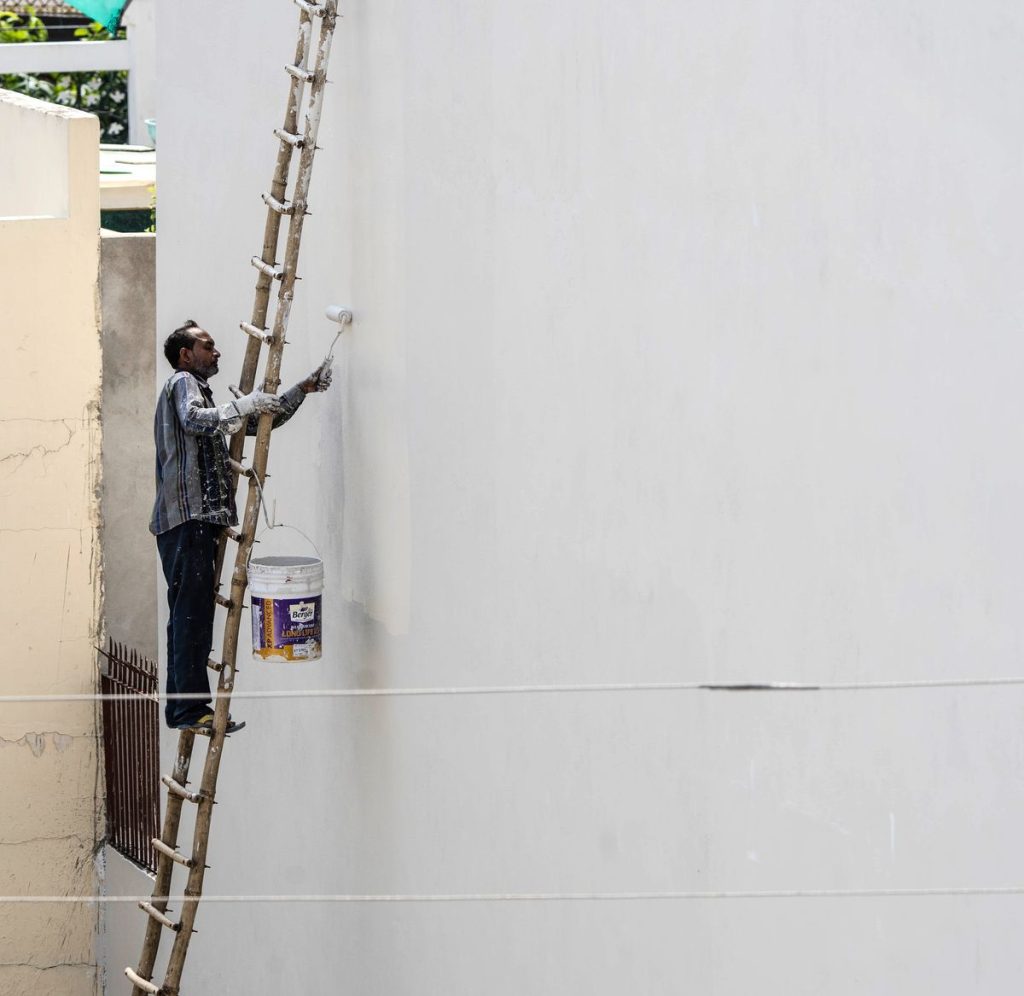
Warm and dry, though heatwaves bring their own problem: paint applied in direct sun on a 30°C wall dries too fast and can flash-mark. An experienced decorator works around the sun — following the shade around the house.
September — the last reliable call
Often lovely painting weather, but the buffer is gone: one wet week can push the job past the point where nights are too cold. If you are reading this in September, book now rather than “in a few weeks”.
October–April — repairs only
Serious exterior painting should wait. Winter is, however, the perfect time to book ahead — and to fix the underlying issues (failed gutters, cracked render, rotten timber) so surfaces are ready the moment spring arrives.
6 Signs Your Exterior Needs Repainting This Season
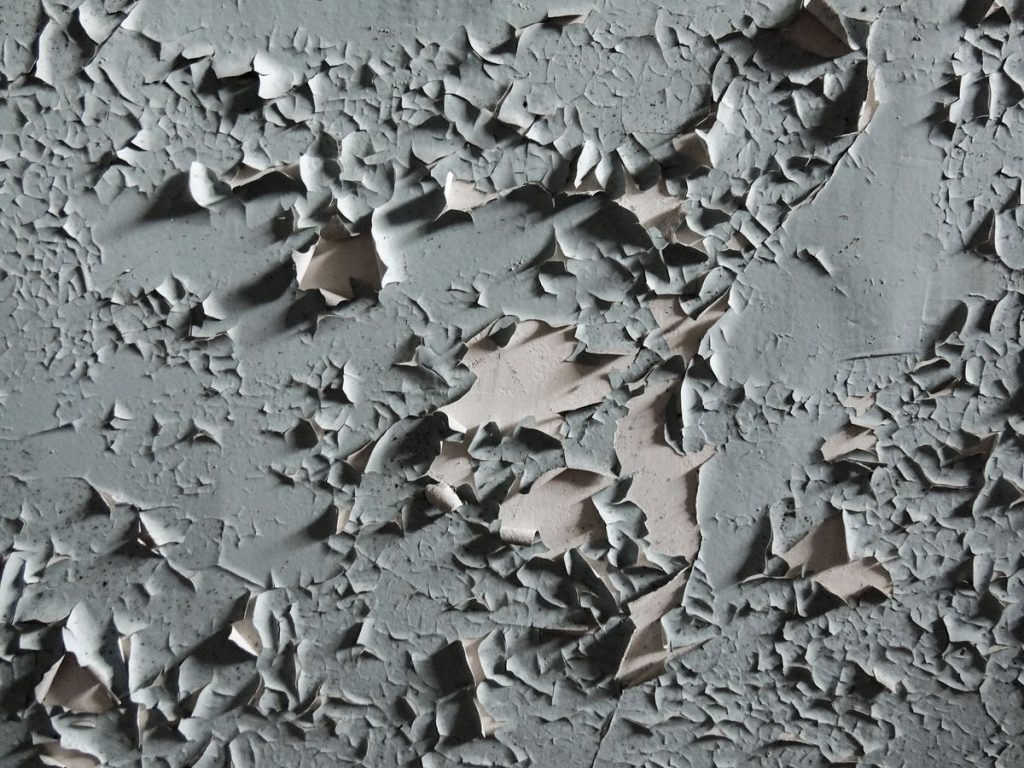
- Flaking or bubbling paint — moisture is already getting behind the coating;
- Chalky residue when you run a hand along the wall — the paint film has broken down;
- Hairline cracks in render — small now, but they let water in and frost widens them every winter;
- Bare or grey timber on window sills, fascias and doors — unprotected wood rots surprisingly fast;
- Green staining — algae thrives where the coating no longer sheds water;
- Faded, patchy colour — beyond looks, fading signals the protective resins are breaking down.
Catch these early and repainting is straightforward. Leave them for two or three more winters and the job grows into render repairs and timber replacement — several times the cost.
Why Exterior Painting Is Worth Doing Properly
Exterior paint is not cosmetic — it is your home’s weatherproof layer. A properly prepared and painted exterior in the British climate protects masonry and timber for 5–8 years. The difference between that and a finish that fails in two years is almost entirely in the preparation: washing down, scraping back, treating algae, filling cracks, priming bare surfaces — and only then painting, with the right masonry and trim products. It is exactly the kind of work where the room-by-room rules for interiors do not apply — outside, the climate sets the schedule.
Book Your Slot Before the Season Fills
We have been painting home exteriors across Ealing, London, Kent and Surrey since 2011, and summer diaries fill quickly. If your masonry, windows or doors are showing any of the signs above, get in touch for a free, no-obligation quote — call 07542 019007 and we will get back to you within 24 hours.