
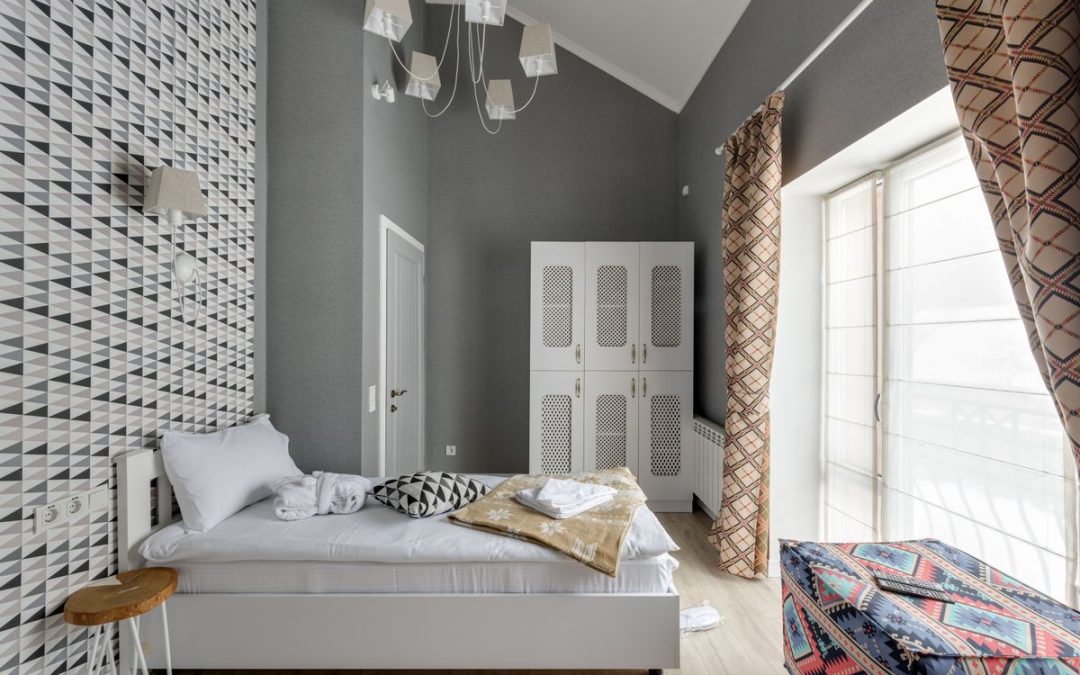
It is one of the most common questions we get asked on a first visit: can you just paint over the wallpaper? The honest answer is yes — sometimes. Painting over wallpaper is a legitimate technique, not a shortcut invented by lazy decorators. But it only works when the paper is sound, well stuck down and the right type. Get that judgement wrong and you will be looking at bubbles, lifting seams and a much bigger repair bill six months later.
Here is how a professional decides, and how you can make the same call in your own home.
The five-minute test that decides it
Before anything else, walk the room and check four things:
- Adhesion. Press your palm across the wall, especially at seams, corners and around sockets. Anything that moves, crackles or feels hollow is not stuck down.
- Seams. Run a fingernail along the joins. If they lift, paint will not glue them back — water-based paint swells the paper and makes lifting worse.
- Texture. Heavy embossed papers, woodchip and deep relief patterns will still be visible through two coats of emulsion. Paint changes colour, not profile.
- Type. Vinyl and washable papers have a plastic face that standard emulsion will not key to. Anaglypta and lining paper, by contrast, take paint beautifully.
If everything is tight, flat and paintable, you can go over it. If any one of those four fails, the paper comes off.
When painting over wallpaper is the sensible choice
There are real situations where leaving the paper on is the better decision, not just the cheaper one:
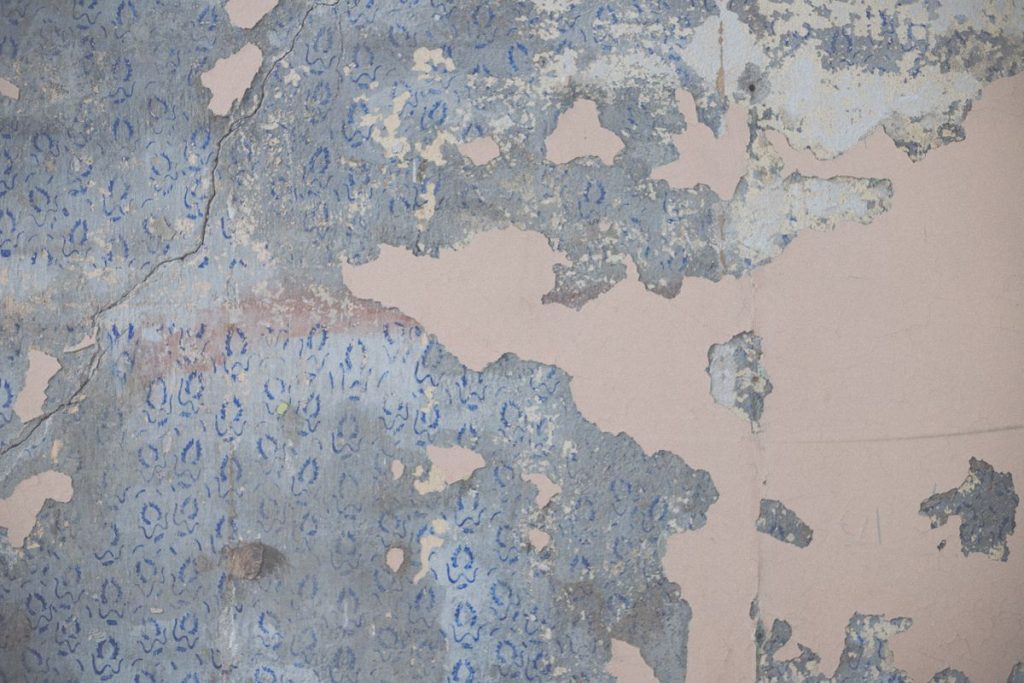
- The paper is holding old plaster together. In Victorian and Edwardian houses across Ealing and West London, stripping can pull chunks of friable plaster with it. Painting over sound paper avoids turning a two-day job into a full re-skim.
- It is lining paper or Anaglypta. Both were designed to be painted. Lining paper is arguably the best surface for emulsion there is.
- You are working to a rental or sale deadline. Painting a room over existing paper typically takes a day; stripping, repairing and skimming the same room can add two to four days.
- There are multiple layers. Three or four layers of old paper often mean a heavy, unpredictable strip. If the top layer is stable, painting is the lower-risk route.
When the wallpaper has to come off
Strip it if you see any of the following, no exceptions:
- Bubbles, blisters or seams that already lift
- Damp, staining or a musty smell — paint traps moisture and makes mould worse
- Vinyl or heavily washable coatings
- Woodchip, or deep embossed patterns you do not want to keep
- Dark, bold patterns you plan to cover with a light colour (expect three or four coats, and the pattern may still ghost through)
- Any paper you would not want the next decorator to inherit — every layer you leave makes the eventual strip harder
How to paint over wallpaper properly
If the paper passes the test, the preparation is what makes the finish last. This is the sequence we use:
1. Repair the small failures first
Re-stick lifting seams with an overlap adhesive and a seam roller. Slit any small bubble with a knife, work adhesive behind it and press flat. Fill torn spots with a fine filler and sand smooth once dry.
2. Clean and de-grease
Wipe the walls with sugar soap, especially in kitchens and above radiators, then rinse and let them dry fully. Paint will not bond to a film of cooking grease or nicotine.
3. Seal with the right primer
This is the step most DIY jobs skip. An oil-based or solvent-based primer, or a dedicated wallpaper sealer, locks the paper down and stops water in the emulsion soaking through and loosening the paste. On papers with strong colour or ink that might bleed, use a stain-blocking primer.
4. Two coats of emulsion, cut in carefully
Apply full coats with a roller, working across seams rather than along them, and allow proper drying time between coats — usually four hours at normal room temperature, longer in a cold or humid room. If you are unsure which sheen to use, our guide to choosing the right paint finish for every room covers matt, eggshell and everything in between.
What it costs, and what it saves
As a typical London range, stripping wallpaper adds roughly £150–£350 per room to a decorating job, depending on how many layers there are and how stubborn the adhesive is. If the plaster underneath needs patching or skimming afterwards, add more again. Painting over sound paper avoids most of that — but it is only a saving if the paper is genuinely sound. Redoing a failed job costs far more than stripping would have.
For a fuller picture of decorating costs and timings, see our guides on what a painter and decorator costs in London and how long it takes to paint a room.
Frequently Asked Questions
Can you paint over vinyl wallpaper?
Not with standard emulsion. The vinyl face is non-porous, so paint sits on top and peels. If the vinyl is genuinely well stuck, a specialist adhesion primer can work — but stripping is more reliable, and it is what we would normally recommend.
Do I need to prime wallpaper before painting?
Yes. Priming is what stops the water in emulsion soaking through and releasing the old paste. Use an oil-based or specialist wallpaper primer rather than a thinned coat of emulsion.
How many coats of paint do I need over wallpaper?
Primer plus two full coats of emulsion is standard. Dark or strongly patterned paper being covered with a pale colour often needs three, and the pattern can still ghost through.
Will painting over wallpaper make it harder to remove later?
Yes — a painted surface resists a steamer, so it needs scoring before stripping. It is a fair trade-off if the paper is sound, but it is another reason not to paint over paper that is already failing.
Not sure which way to go? Get a free opinion
Michael Rolicz has been painting and decorating across London, Kent and Surrey since 2011, fully insured, on everything from single rooms to full property refurbishments. If you are looking at a wallpapered room and cannot decide whether to paint or strip, we will tell you straight — including when stripping is not worth the money.
Call 07542 019007, email michaelrolicz@gmail.com, or use our contact page — you will have a free, no-obligation quote within 24 hours. You can also see the full range of our painting, decorating and property maintenance services.
Trackbacks/Pingbacks